
British Shorthair
Calm, patient and easy-going; generally affectionate in a reserved, undemanding way.
About the British Shorthair
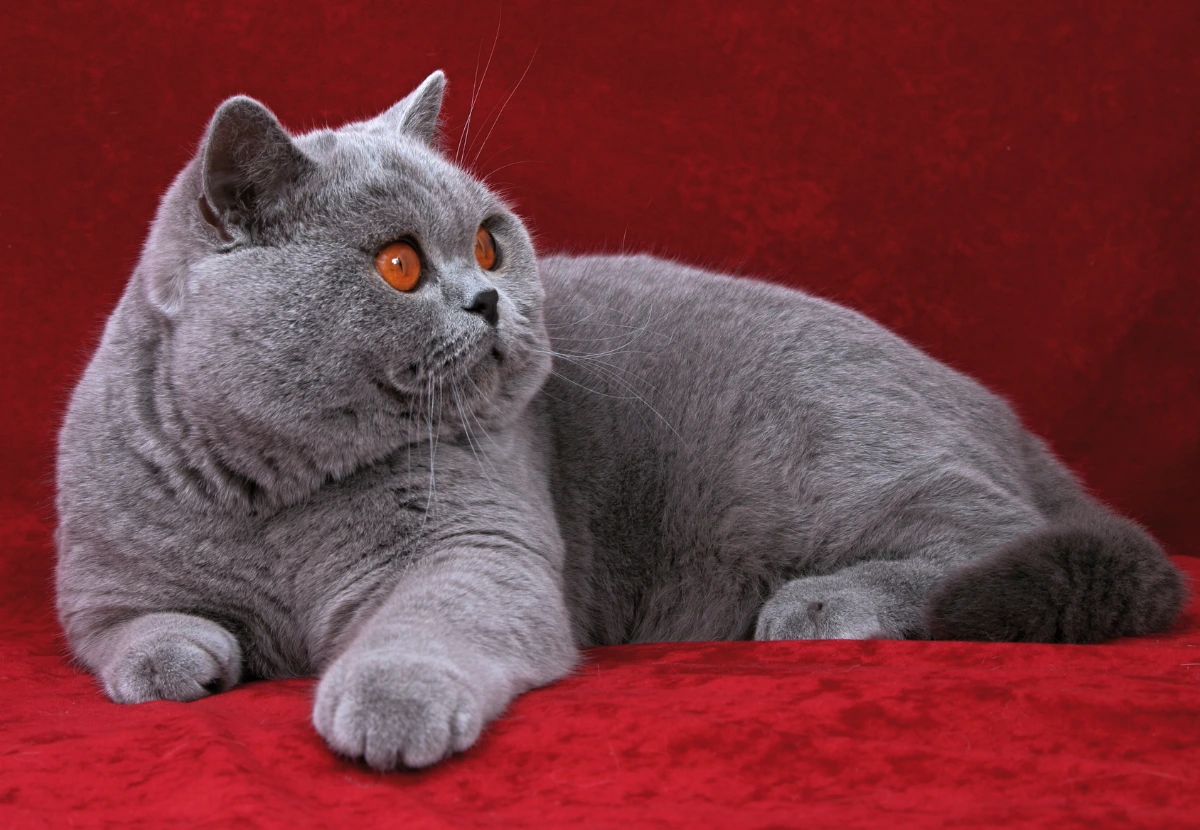
The British Shorthair is one of the most familiar pedigree breeds in the United Kingdom — a sturdy, plush-coated cat with a calm, undemonstrative temperament. They form deep attachments to their families without being clingy, and they tend to greet new situations by observing first and engaging on their own terms. The breed is often described as dignified, but the more accurate word is composed: a British Shorthair tends to choose its moments, and when it does choose to be near you, it usually means it.
History and origin
The breed traces its roots to working cats kept across Britain for centuries. Selective breeding in the late nineteenth century turned the everyday British house cat into a recognised show animal, and the Second World War nearly wiped out the established lines. Post-war rebuilding involved careful outcrossing, and the modern British Shorthair we recognise today is the result of decades of patient recovery work by British breeders.
Temperament and personality
Calm, patient and easy-going; generally affectionate in a reserved, undemanding way.
Ratings at a glance
Appearance
Accepted colours and patterns vary by registry; check the breed standard before publishing a colour-specific claim
Grooming
Usually weekly brushing plus routine nail, ear and dental care
Exercise and enrichment
High: daily interactive play, puzzle feeding, climbing structures and rotating enrichment are strongly recommended.
Living environment
Interactive homes able to provide climbing, games and regular companionship
Good fit for
- Households who want a calm companion rather than a high-energy lap warmer
- First-time cat owners who prefer a low-maintenance temperament
- Quieter homes with predictable routines
May not suit
- Owners hoping for a constantly affectionate or carry-around lap cat
- Very high-energy households expecting non-stop play
- Anyone unable to keep up with seasonal coat care during heavy moults
Health considerations
Use a rescue or transparent breeder, request veterinary records and ask about breed-relevant screening, vaccination, socialisation and return policies.
No cat breed can be guaranteed to be completely hypoallergenic. Individual reactions vary.
Frequently asked questions
- Are British Shorthairs good with children?
- Most British Shorthairs are patient with respectful children. They are not naturally a lap-clinging breed, so a household where children understand that the cat sets the pace tends to work best.
- Do British Shorthairs need a lot of grooming?
- Their dense double coat benefits from a weekly brush most of the year and more frequent brushing during seasonal moults. They are not a high-maintenance breed in grooming terms, but the coat is too thick to neglect entirely.
Related cat breeds
Siamese
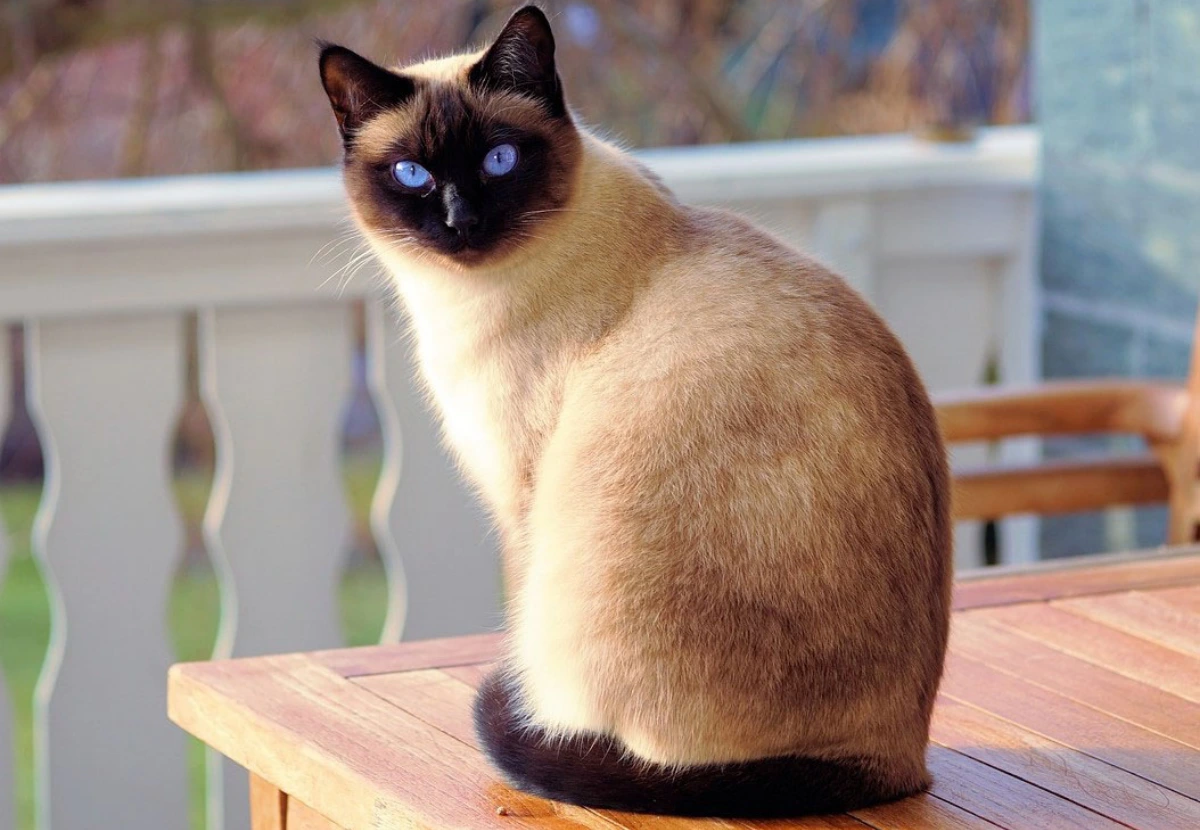
Outgoing, intensely social and usually vocal; thrives on company, play and mental stimulation.
Selkirk Rex
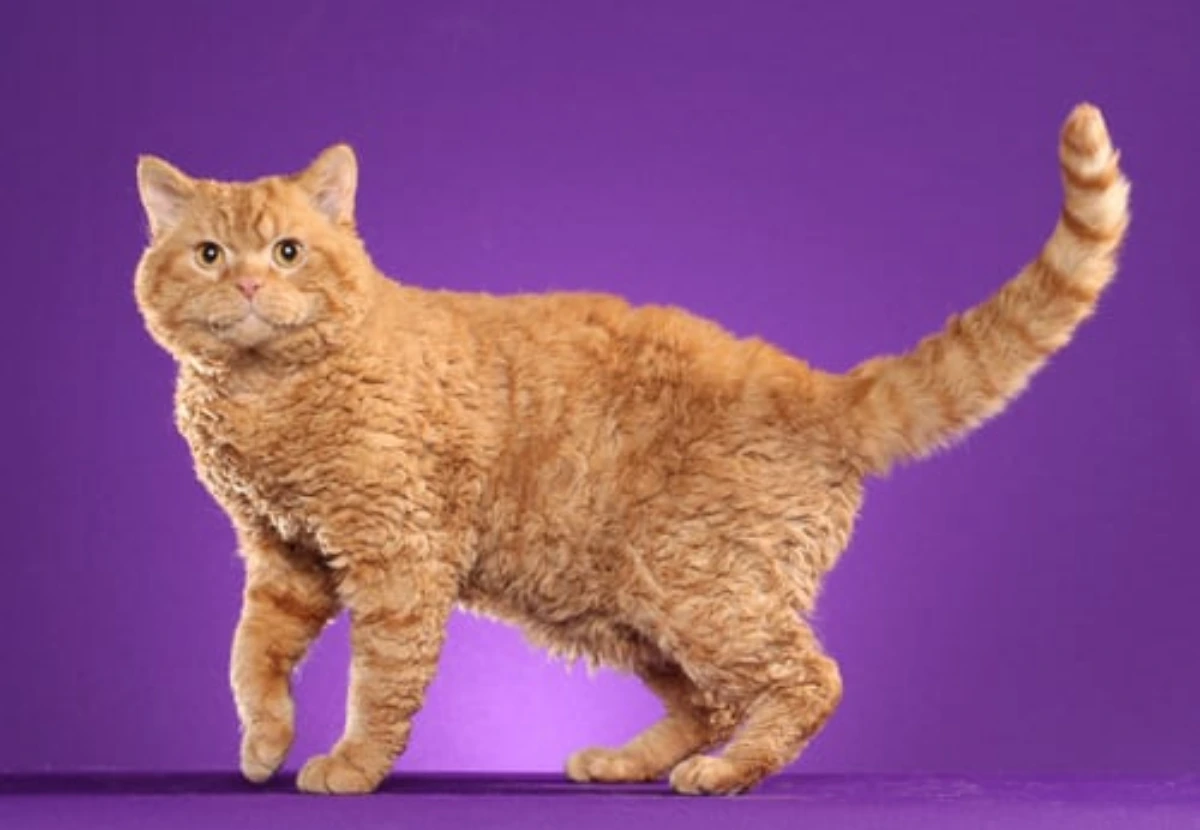
Loving, patient and easy-going; generally playful without being relentlessly demanding.
Asian
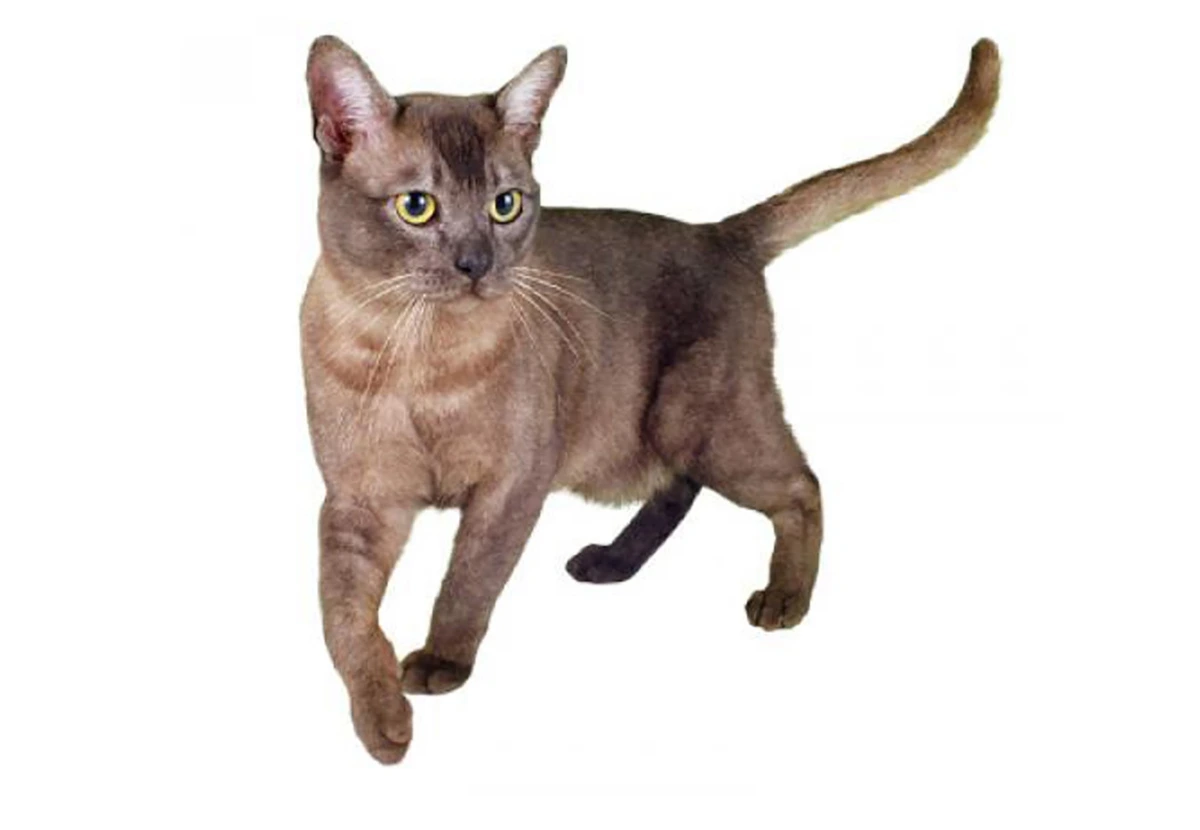
Generally adaptable, companionable and playful; the individual cat’s socialisation and home environment remain important.
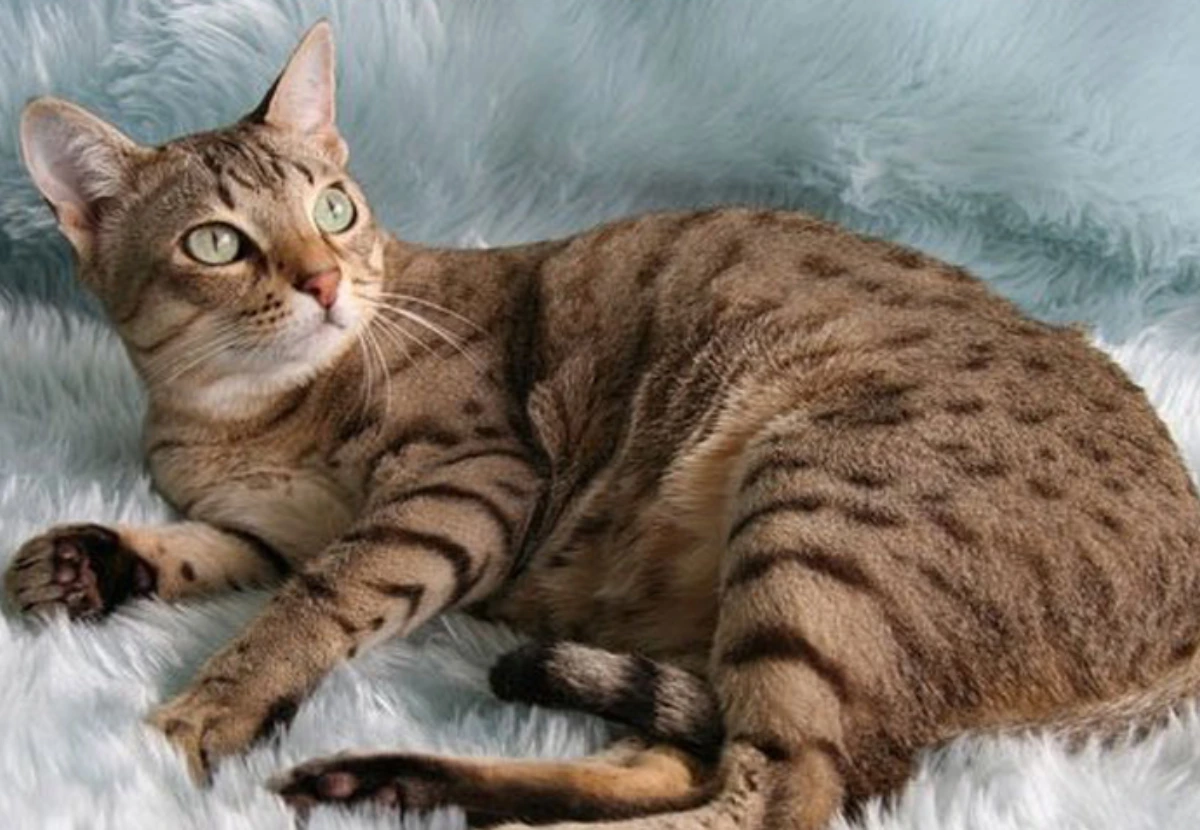
Australian Mist
Lively but affectionate, with an adaptable temperament that often suits family homes.