
Ragdoll
Relaxed, affectionate and companionable; commonly suited to calm homes that offer regular attention.
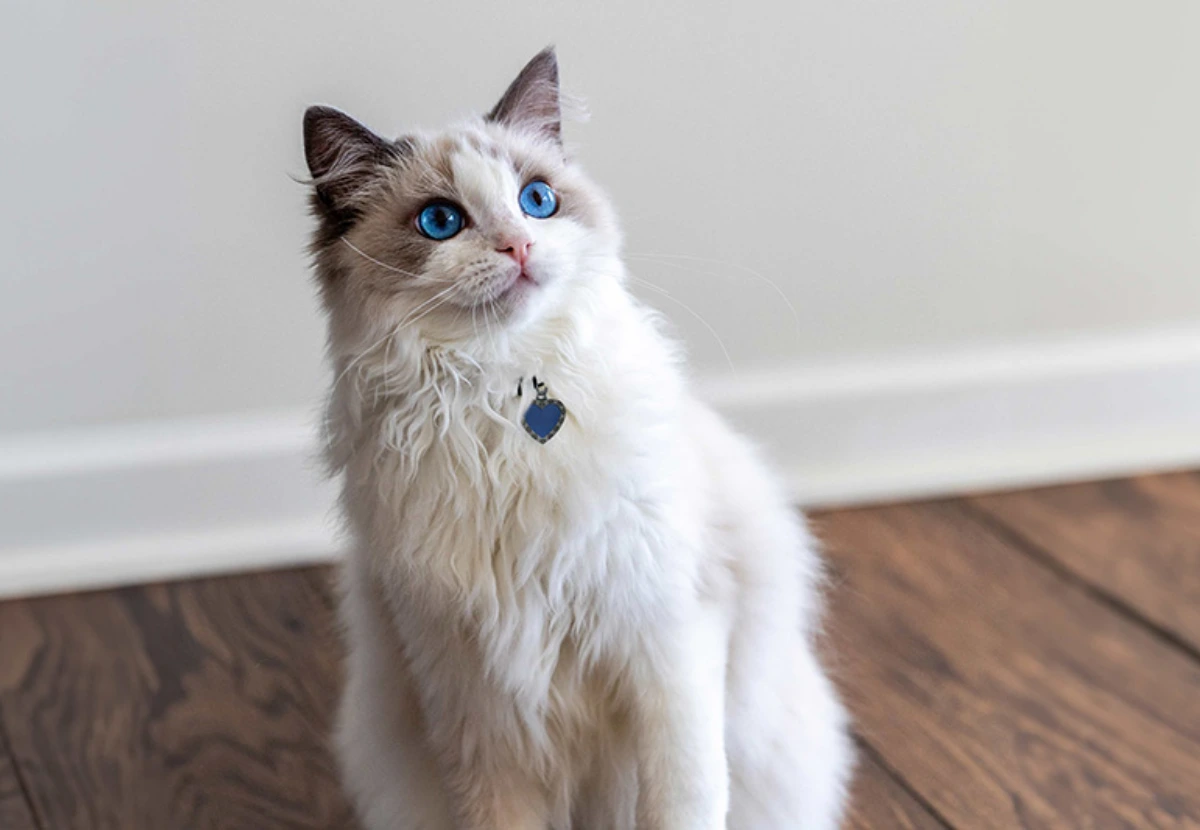
About the Ragdoll
The Ragdoll is best known for the trait that gave the breed its name — a tendency to relax completely when picked up. Beyond that party trick, they are exceptionally people-focused cats with a calm voice and a quiet way of attaching themselves to favourite humans. Their semi-long coat is plush rather than dense, which makes grooming manageable for most owners.
History and origin
The breed traces back to a single Californian cat named Josephine in the 1960s and the careful breeding programme her offspring inspired. The Ragdoll is therefore a relatively young breed, and its standards still vary slightly between registries.
Temperament and personality
Relaxed, affectionate and companionable; commonly suited to calm homes that offer regular attention.
Ratings at a glance
Appearance
Accepted colours and patterns vary by registry; check the breed standard before publishing a colour-specific claim
Grooming
Brush several times weekly; increase during seasonal shedding or if the coat mats easily
Exercise and enrichment
Moderate: provide daily play, scratchers, resting areas and age-appropriate climbing opportunities.
Living environment
A range of homes, provided introductions, enrichment and care needs are met
Good fit for
- Households who want a genuinely affectionate, people-focused cat
- Quieter homes where a gentle temperament will not be overwhelmed
- Owners able to commit to a semi-long coat care routine
May not suit
- Outdoor-only homes — Ragdolls are widely considered too trusting for unsupervised outdoor life
- Households seeking a highly independent cat
- Anyone allergic who has not spent time with the individual cat first
Health considerations
Use a rescue or transparent breeder, request veterinary records and ask about breed-relevant screening, vaccination, socialisation and return policies.
No cat breed can be guaranteed to be completely hypoallergenic. Individual reactions vary.
Frequently asked questions
- Do Ragdolls really go limp when held?
- Many do display this relaxed posture when held by trusted people, but not every Ragdoll goes fully limp every time. It is a tendency, not a guarantee.
Related cat breeds
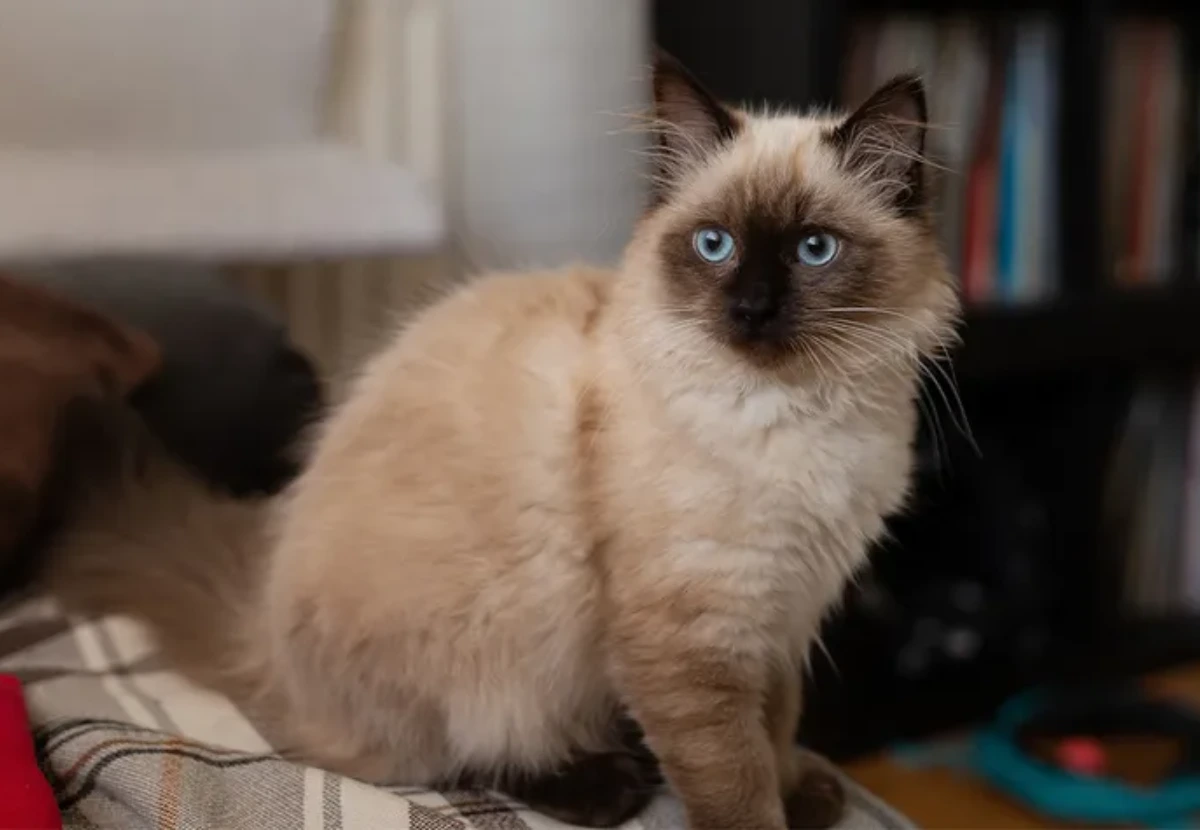
Birman
Gentle, affectionate and playful; often people-focused without being excessively demanding.
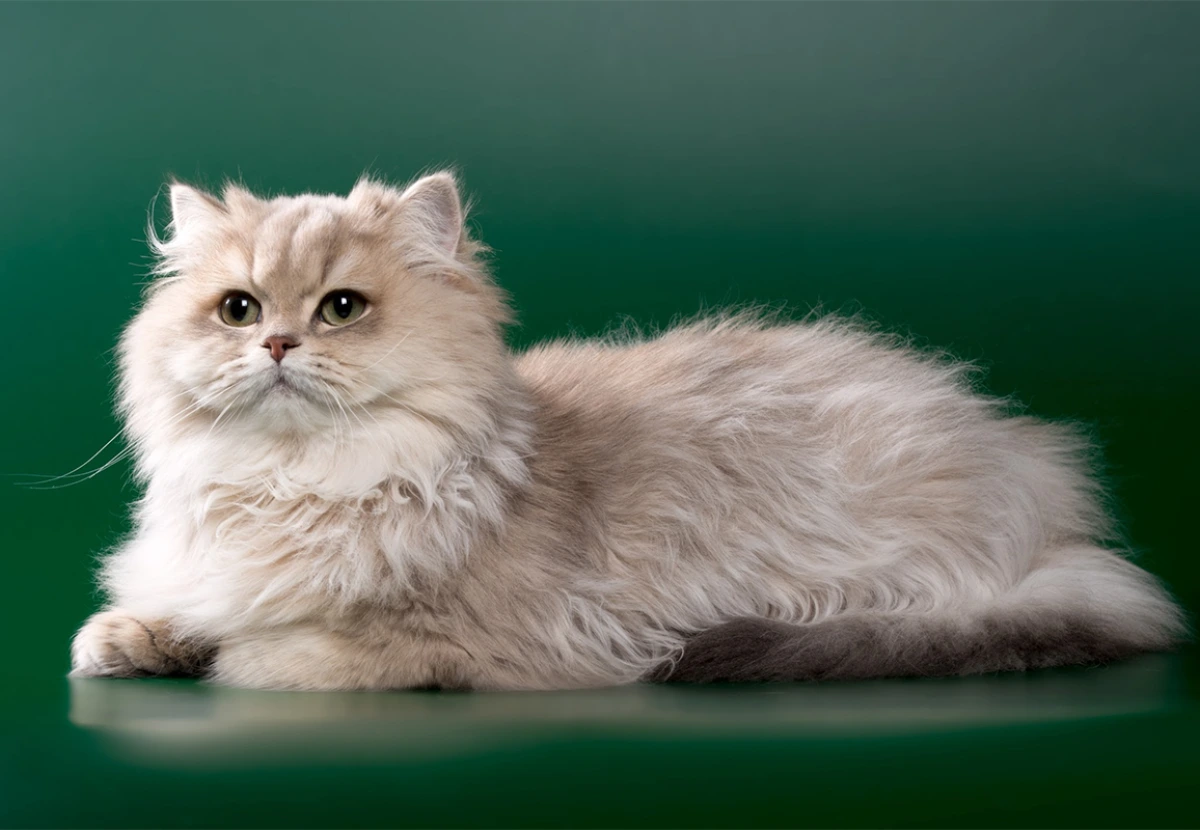
Chinchilla Longhair
Often calm, affectionate and companionable; tends to suit homes able to provide consistent grooming and gentle attention.
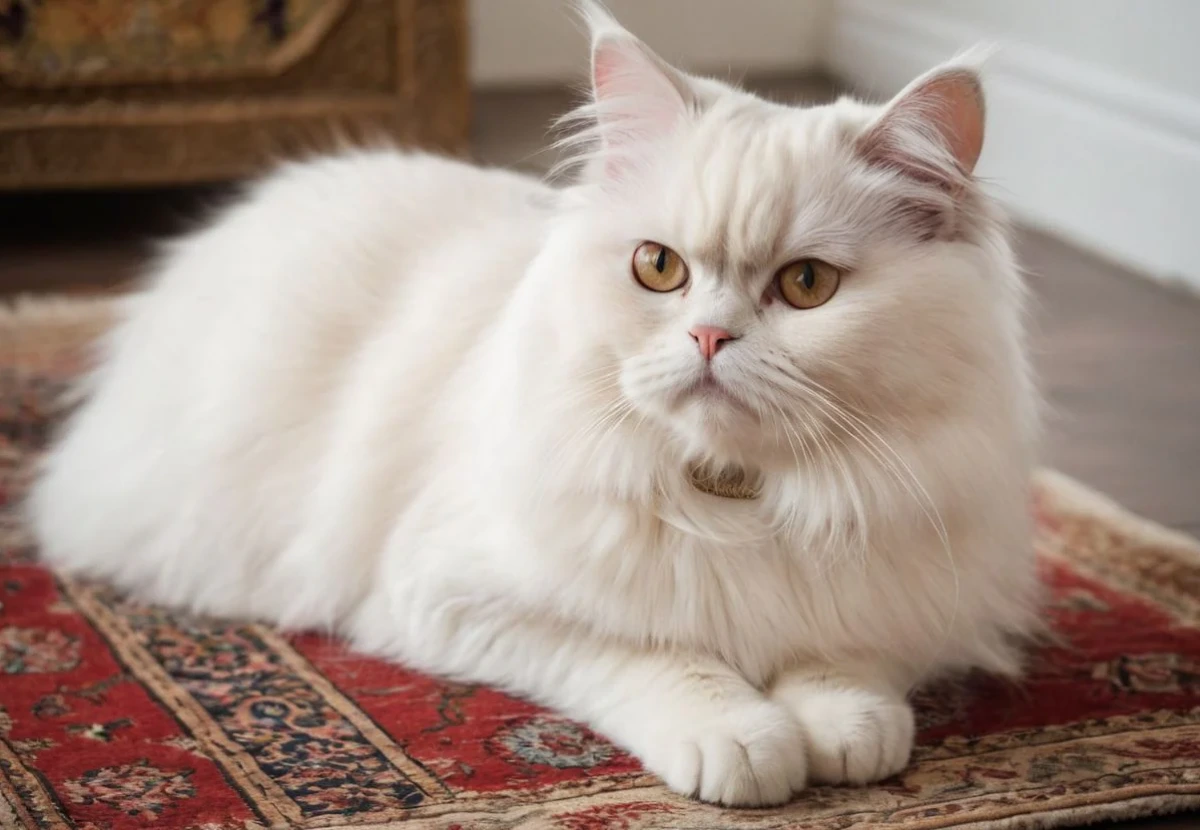
Persian (Traditional)
Often calm, affectionate and companionable; tends to suit homes able to provide consistent grooming and gentle attention.
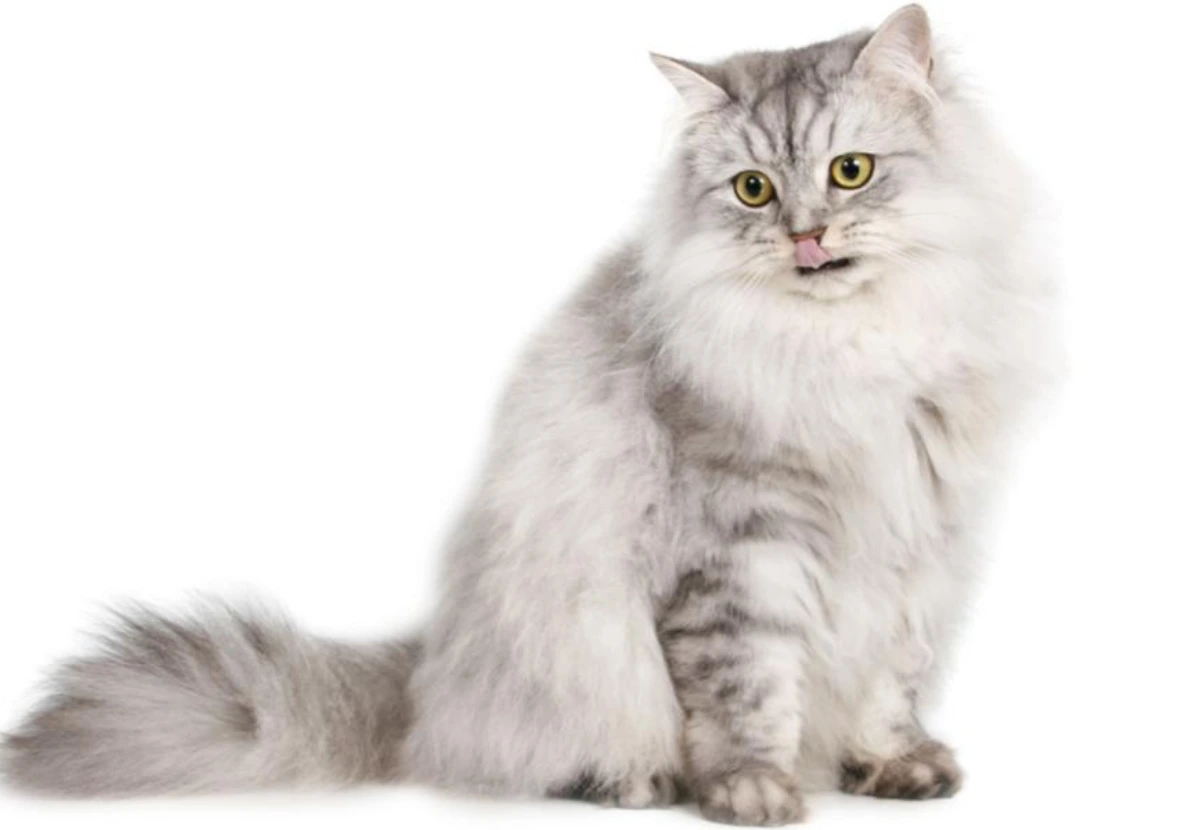
Ragamuffin
Often calm, affectionate and companionable; tends to suit homes able to provide consistent grooming and gentle attention.