
Persian
Often calm, affectionate and companionable; tends to suit homes able to provide consistent grooming and gentle attention.
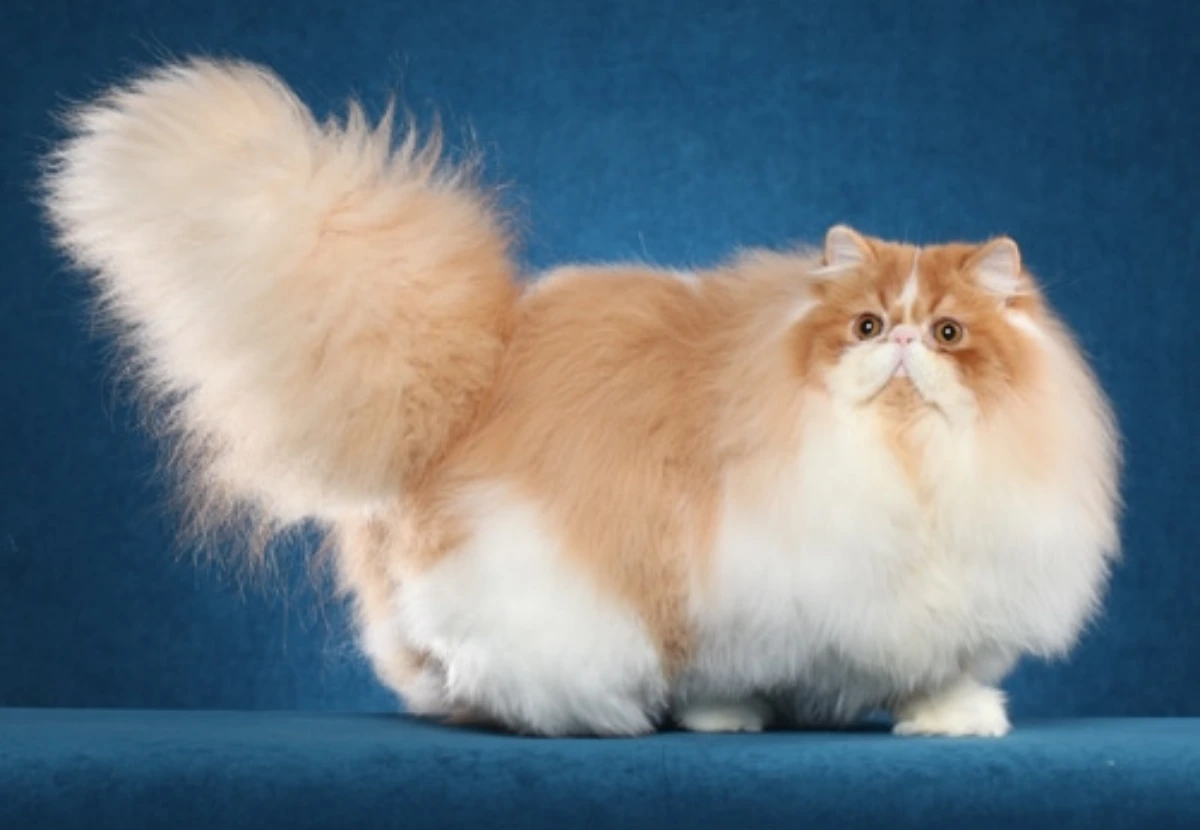
About the Persian
Persians are the long-coated, flat-faced breed most people picture when they hear the words 'pedigree cat'. They are gentle, quiet companions, but their long coat and shortened muzzle bring meaningful welfare commitments that prospective owners should understand before buying.
History and origin
Long-haired cats from Persia and surrounding regions reached Europe in the seventeenth century and were refined heavily in the United Kingdom and United States. Modern show Persians often have a more extreme muzzle than traditional or 'doll-face' lines kept by owners who prefer the older type.
Temperament and personality
Often calm, affectionate and companionable; tends to suit homes able to provide consistent grooming and gentle attention.
Ratings at a glance
Appearance
Accepted colours and patterns vary by registry; check the breed standard before publishing a colour-specific claim
Grooming
Brush several times weekly; increase during seasonal shedding or if the coat mats easily
Exercise and enrichment
Moderate: provide daily play, scratchers, resting areas and age-appropriate climbing opportunities.
Living environment
A range of homes, provided introductions, enrichment and care needs are met
Good fit for
- Quieter homes that suit a calm cat
- Owners who can commit to daily coat care and routine eye cleaning
- People who prefer a less demanding play schedule
May not suit
- Anyone unable to commit to daily grooming
- Households expecting a highly active, playful cat
- Owners who would rather avoid breeds with documented health considerations linked to brachycephalic conformation
Health considerations
Use a rescue or transparent breeder, request veterinary records and ask about breed-relevant screening, vaccination, socialisation and return policies. Prioritise health-focused breeding and avoid extreme conformation; discuss breathing, eye and coat-care needs with a veterinary professional.
No cat breed can be guaranteed to be completely hypoallergenic. Individual reactions vary.
Frequently asked questions
- Do Persians have health problems?
- Persians, especially the flatter-faced show type, can be prone to breathing, dental and eye-care issues linked to their head shape. Discuss any breed-relevant screening with a qualified veterinary professional and a reputable breeder before buying.
Related cat breeds
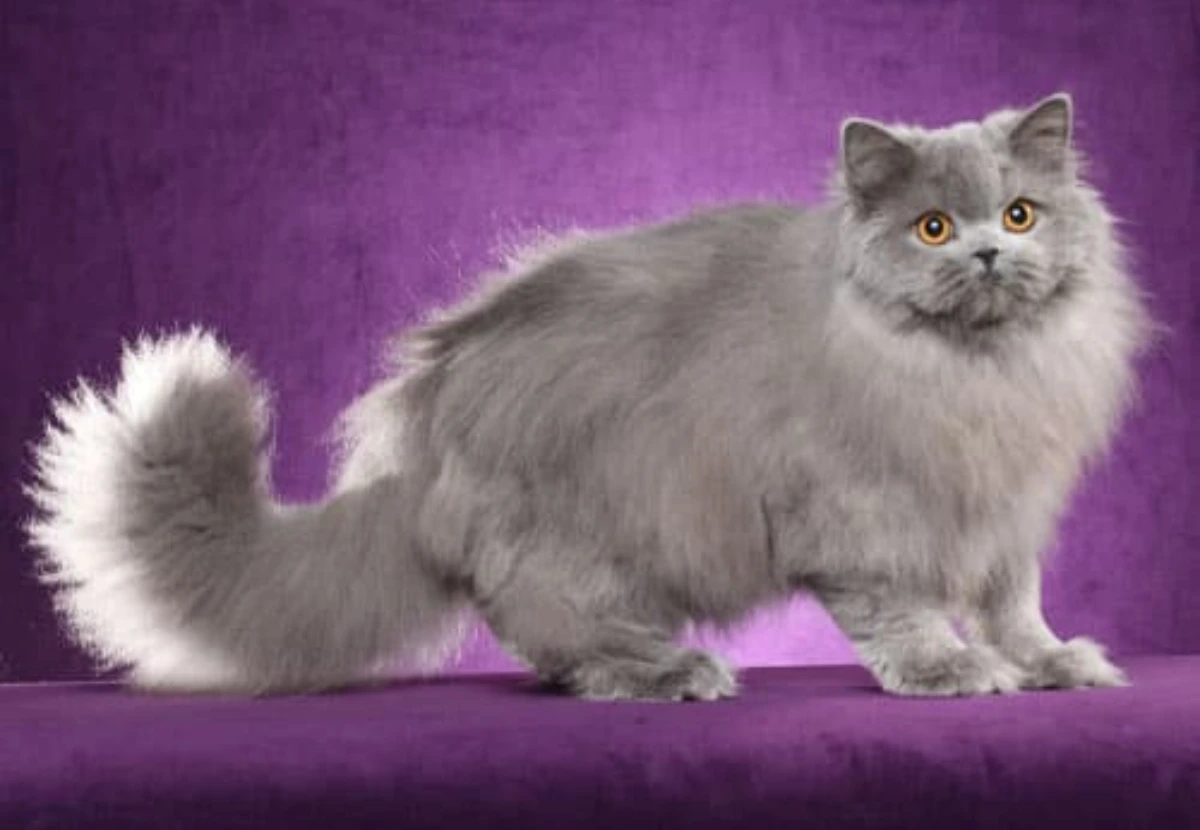
British Longhair
Usually calm, patient and undemanding, with a more measured activity level and an easy-going household presence.
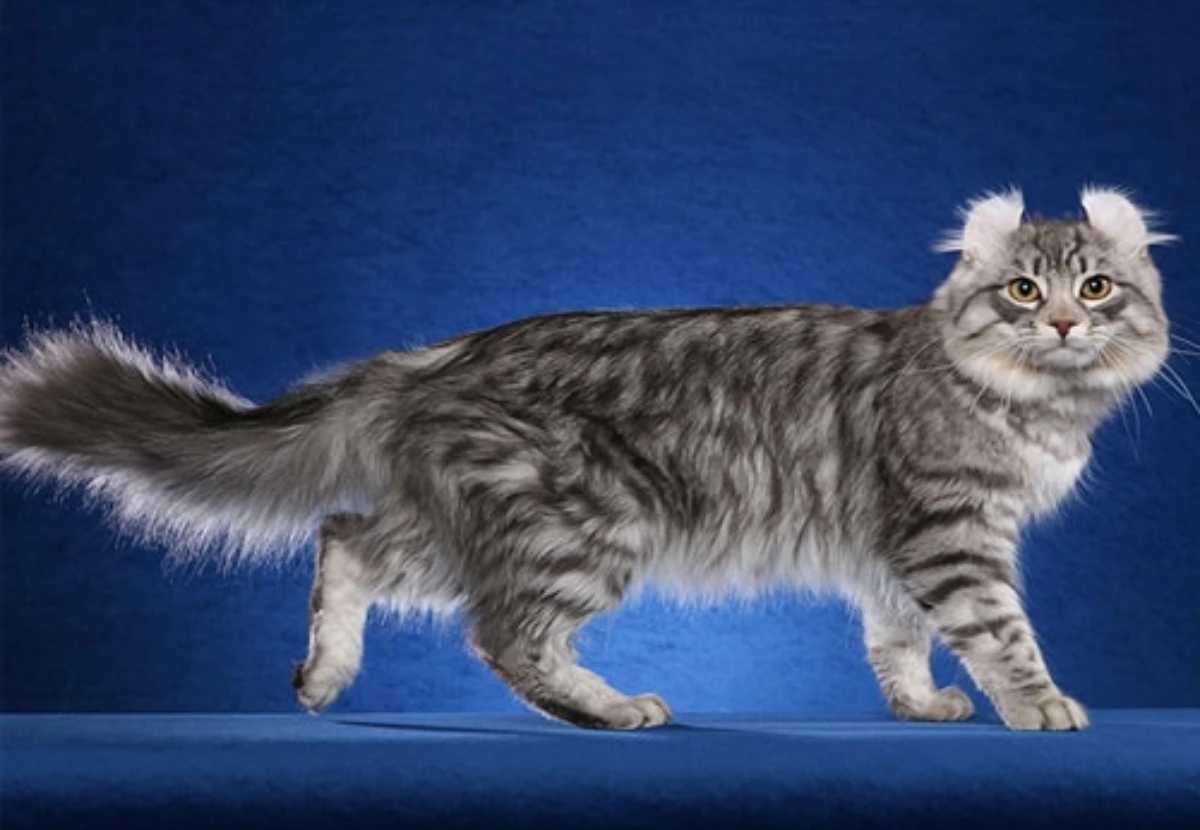
American Curl Longhair
Generally adaptable, companionable and playful; the individual cat’s socialisation and home environment remain important.
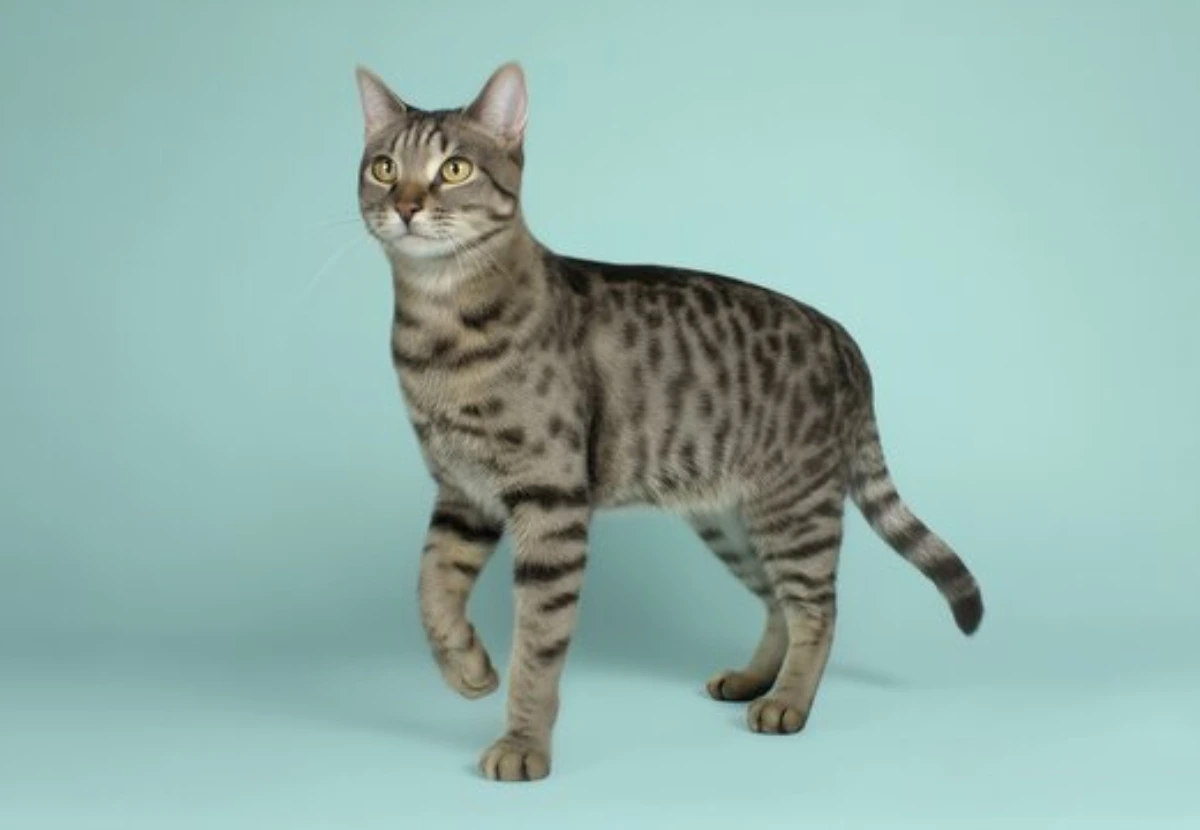
American Polydactyl
Generally adaptable, companionable and playful; the individual cat’s socialisation and home environment remain important.
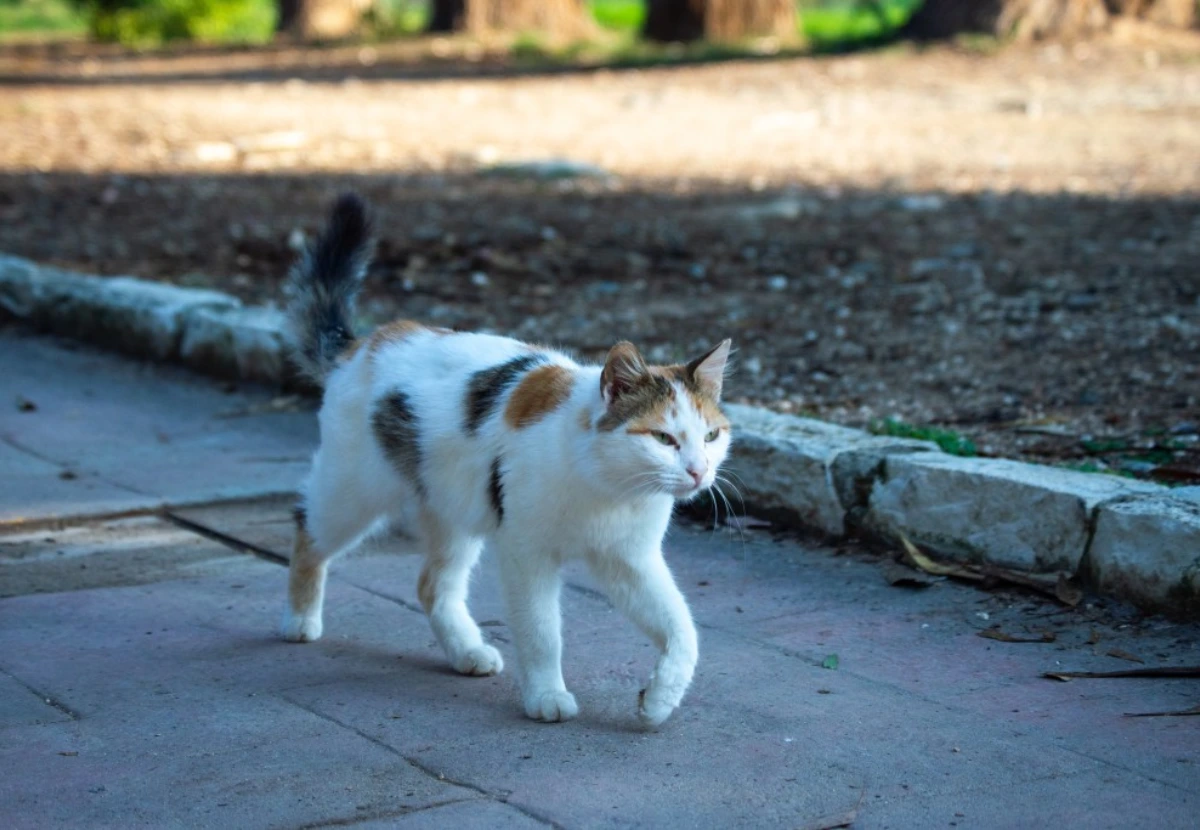
Aphrodite’s Giant
Generally adaptable, companionable and playful; the individual cat’s socialisation and home environment remain important.