
Adopting Your First Cat: A Calm, Welfare-First Guide
A calm, welfare-first guide to adopting your first cat — covering rescue choices, what to ask the shelter, and how to set up your home for the all-important first week.

Bringing home your first cat is a big, lovely decision — and it’s also one of those moments where a few hours of preparation will pay you back for years. This guide walks through the bits we wish every first-time adopter knew before they signed the paperwork.
1. Start with rescue (in most cases)
The UK and EU are full of cats waiting in rescue centres — adult cats, kittens, bonded pairs, FIV-positive cats, the lot. For most first-time owners, a reputable rescue is the right starting point because:
- The cat’s temperament has been observed by people who handle cats every day, so you get an honest assessment of whether they’re a lap cat, a confident extrovert or a slow-burn shy soul.
- Cats are usually neutered, microchipped, vaccinated and vet-checked before they leave.
- Rescues match cat to home, not customer to product. If a cat needs a household with no young children, or no other cats, they’ll tell you.
If you’ve thought it through and a specific breed is genuinely right for your household — and you understand the welfare and care implications — look for a breeder registered with a recognised body (such as the Governing Council of the Cat Fancy in the UK), who:
- Lets you visit and meet the mother;
- Tests for breed-relevant health conditions and shares the results;
- Sells kittens at twelve weeks or older, fully vaccinated and microchipped;
- Asks you as many questions as you ask them.
2. Questions to ask the shelter
Bring a notebook. Helpful questions:
- How long has this cat been with you, and what do you know about their history?
- How do they behave with other cats? Dogs? Children? Strangers?
- Are they litter-trained? Any toileting issues?
- Are they comfortable being handled, picked up, brushed?
- What food are they on right now?
- Any known medical conditions or ongoing treatments?
- Will they be neutered and microchipped before going home?
- What’s your post-adoption support like — can we contact you if we hit a problem in the first weeks?
A good rescue will answer all of these honestly, including the unflattering bits.
3. Set up before they arrive
Get the essentials in place before you bring the cat home — they should walk into a calm, ready space, not a flat-pack catastrophe.
You will need:
- Litter trays. Rule of thumb: one tray per cat, plus one spare. Place them somewhere quiet, away from food and water.
- Food and water bowls, kept apart (cats often dislike eating next to their water).
- Hiding places. Cardboard boxes, igloo beds, the space under a sofa. Hiding is healthy.
- Vertical space. At minimum, a cat tree or a couple of cleared shelves the cat can climb to.
- A scratching post — ideally tall enough that they can fully stretch up it. Multiple surfaces (sisal, cardboard) are even better.
- Toys for solo play and interactive play.
- A carrier, ideally one that opens from the top as well as the front, for vet visits.
4. The first week: less is more
The single biggest first-week mistake is overwhelming the cat. They’ve just left everything they knew. The plan is:
- Set up one safe room with everything they need, and let them stay there for the first 24–72 hours. Visit calmly, sit on the floor, let them come to you.
- Keep the household quiet. Skip the “meet the new cat” party.
- Stick to the food the rescue was using; change it gradually over a week if you want to switch.
- Watch for eating, drinking and using the litter tray — if any of those stop for more than 24 hours, ring your vet.
- Indoor only for at least 2–3 weeks before considering outdoor access (if at all). They need to bond with the new territory first.
After that initial settle, gradually expand the cat’s territory to the rest of the home at their pace. Some cats stride out on day two, some stay under the bed for two weeks. Both are normal.
5. Book a vet visit early
Register with a local vet within the first couple of weeks, even if the cat seems perfectly well. A new-patient appointment lets the vet:
- Confirm vaccinations and worming are up to date;
- Check the microchip is registered to your details;
- Build a baseline so they know what “normal” looks like for your cat;
- Talk through pet insurance options (worth considering — vet bills can be significant).
6. The unglamorous truth
Adopting a cat is not a 12-week project — it’s a 12–20 year commitment. You’ll be paying for food, litter, vet care, insurance, and you’ll be the person who has to find a cat-sitter for every holiday. None of that should put you off, but it should be eyes-open.
Done well, it’s one of the most quietly rewarding things you can do. A content, well-cared-for cat is good company, and rescuing one means there’s space at the shelter for the next cat who needs it.
If you’d like to start narrowing down the kind of cat that might suit your home, our breed quiz is a friendly starting point — though we’d genuinely encourage you to walk into a rescue first and see who walks up to you.
Sources
Related stories
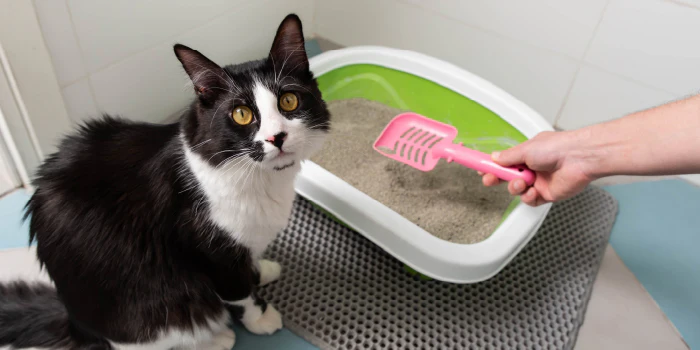
How To Potty Train A Cat
A calm, welfare-first guide to adopting your first cat — covering rescue choices, what to ask the shelter, and how to set up your home for the all-important first week.

How to Photograph Rescue Cats: A Volunteer's Quiet Guide to Better Photos
Good photos help rescue cats find homes faster. A practical, welfare-first guide for shelter volunteers — covering light, posing, gentle handling and the small details that move adopters.
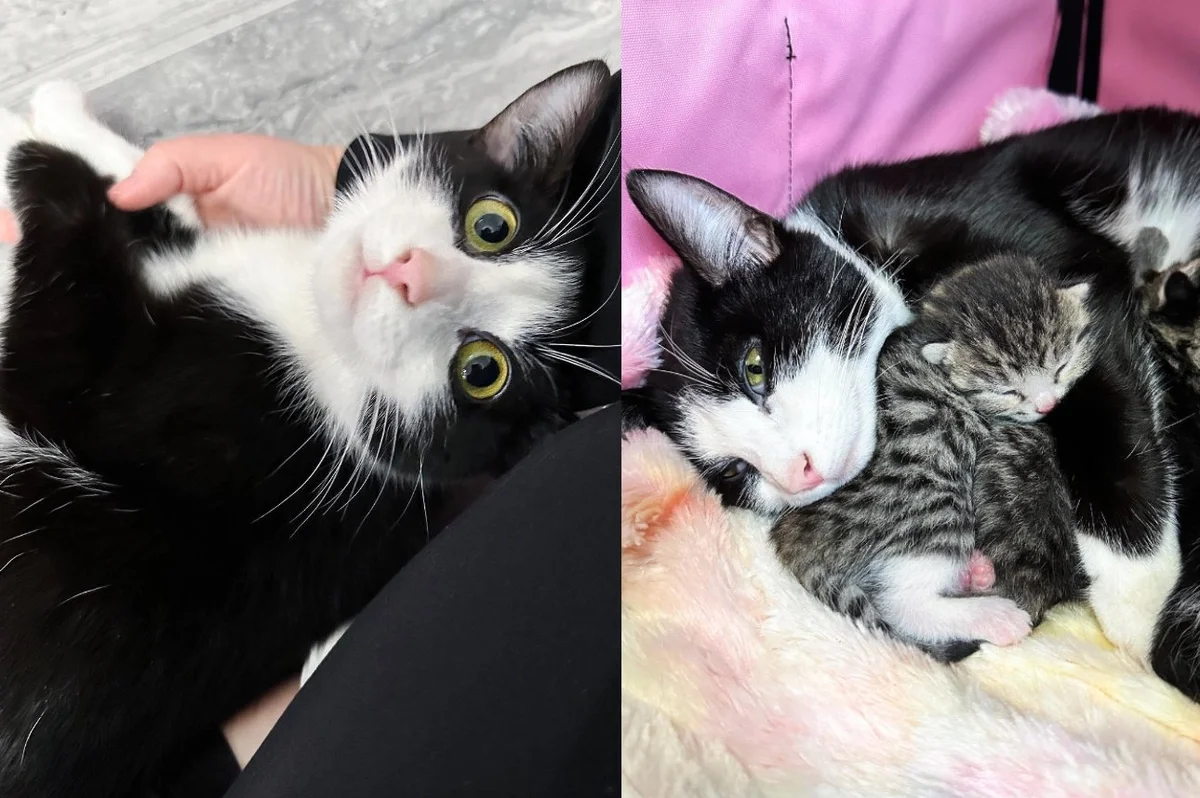
Shy Tuxedo Cat Finds a Safe Place to Raise Her Four Kittens and Begins to Trust Again
A timid tuxedo cat named Raea found the safe foster home she needed just before giving birth to four healthy kittens.

Quiet, Affectionate, Easy-Going: Breeds That Tend to Suit First-Time Owners
If you're new to cats, some breeds tend to be more forgiving than others. A short, honest look at the breeds that often suit first-time owners — and the welfare caveats that come with each.