
Quiet, Affectionate, Easy-Going: Breeds That Tend to Suit First-Time Owners
If you're new to cats, some breeds tend to be more forgiving than others. A short, honest look at the breeds that often suit first-time owners — and the welfare caveats that come with each.
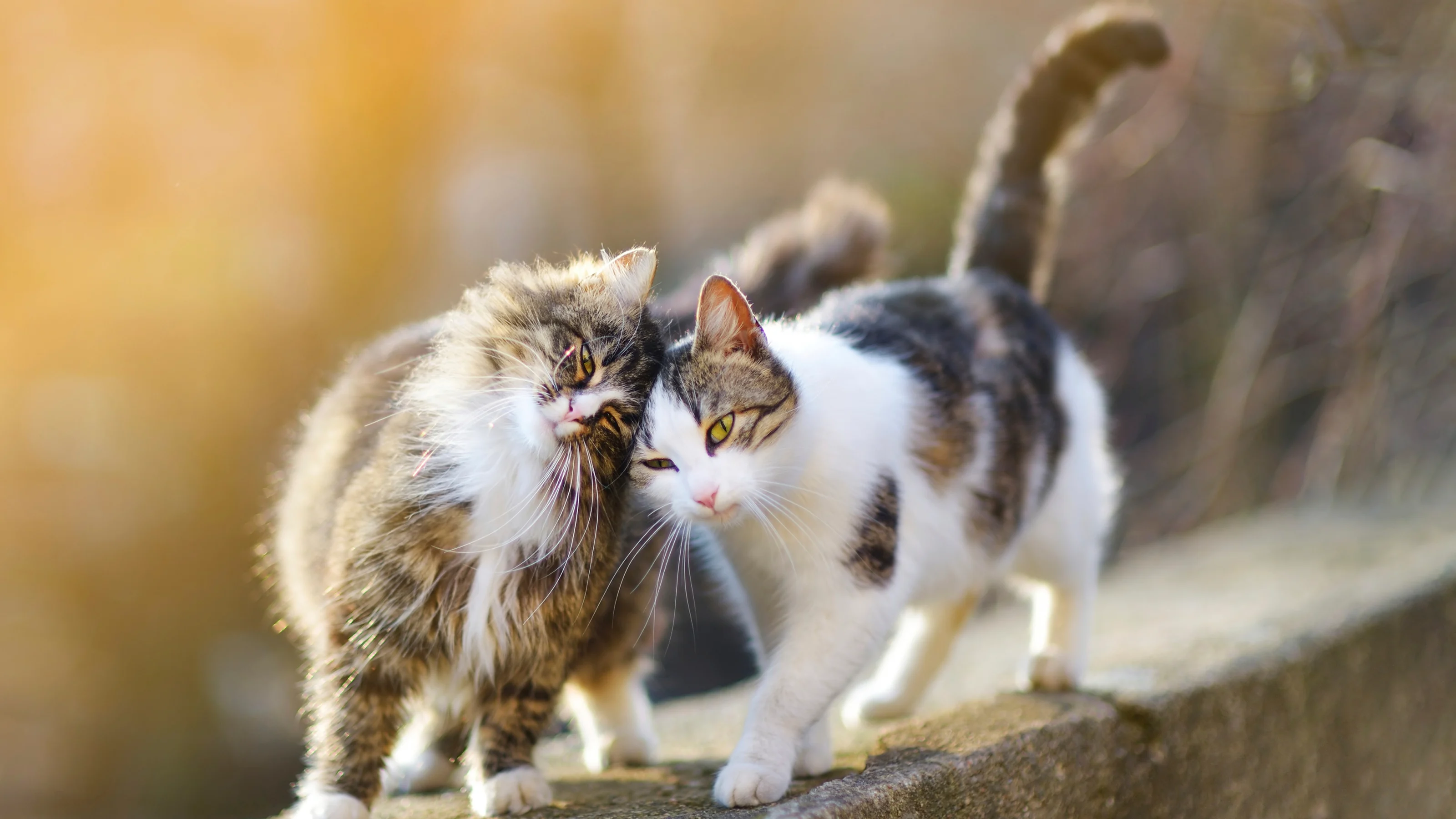
A quick preamble before any breed list: individual cats vary more than breed averages suggest. A Bengal raised in a calm home with the right enrichment can be a gentle housemate; a British Shorthair can be unexpectedly opinionated. Breed gives you a starting probability distribution, not a guarantee.
That said, if you’re new to cats, some breeds tend to be more forgiving — calmer temperaments, lower-key energy levels, fewer specialised welfare considerations. Here are the ones most often recommended, with the caveats that matter.
British Shorthair
The classic plush, round-faced cat. British Shorthairs are typically calm, even-tempered, undemanding cats who prefer dignified company over being carried about. They’re less likely than many breeds to be vocal or hyperactive.
Why they work for first-time owners:
- Generally tolerant and not easily startled.
- Don’t require obsessive grooming — once or twice a week is fine.
- Adapt well to flats provided they get vertical space and enrichment.
Watch for:
- Tendency to obesity if free-fed. Measure portions.
- Heart screening matters — ask the breeder for HCM-clear parent results, or if adopting an older cat, ask the rescue about any heart murmurs.
Read the full British Shorthair guide →
Ragdoll
Ragdolls are bred for a famously placid temperament — many genuinely go limp when picked up, which is the origin of the name. They’re typically sociable, gentle and people-oriented, often following their owners between rooms.
Why they work for first-time owners:
- Predictably affectionate. Good with calm children and gentle households.
- Low aggression and rarely territorial.
Watch for:
- Big cats — Ragdolls can be 4.5–9kg. Carriers and beds need to suit.
- Semi-long coat needs combing twice a week to prevent mats.
- HCM (hypertrophic cardiomyopathy) is a known concern in the breed — again, screened lines matter.
- Their trusting nature makes them unsuitable for unsupervised outdoor access. Indoor or supervised outdoor only.
Maine Coon
Sometimes called the “gentle giant” for good reason. Maine Coons are large, calm, sociable cats with surprisingly soft voices for their size.
Why they work for first-time owners (with conditions):
- Even-tempered and rarely reactive.
- Often interested in interactive play and enrichment — they enjoy puzzle feeders and wand toys into adulthood.
- Tolerant of family life when introductions are done well.
Watch for:
- The size. Large cat means larger litter trays, bigger scratching posts, bigger carriers, more food.
- The semi-long coat needs comb-throughs at least twice a week.
- HCM and hip dysplasia are known breed concerns — ask the breeder for screening, or factor it into your insurance choice if adopting.
Read the full Maine Coon guide →
Norwegian Forest Cat
Closely related in profile to the Maine Coon — large, semi-long-coated, calm, sociable. They tend to be a bit more independent than Ragdolls but less aloof than some other breeds.
Why they work for first-time owners:
- Calm, low-drama temperament.
- Generally robust constitution.
- Get on well with most household setups, including ones with other pets, when introductions are done patiently.
Watch for:
- Heavy moult periods, especially in spring. Brush daily during those.
- Glycogen storage disease type IV (GSD IV) is a known genetic condition in the breed. Reputable breeders screen for it.
Read the full Norwegian Forest Cat guide →
A note on Persians
Persians are sometimes recommended to first-time owners for their famously quiet, sedate temperament. That part is largely true — they are typically calm and undemanding in personality.
However, modern flat-faced (“ultra-typed”) Persians carry serious welfare considerations that prospective owners should think through carefully:
- Brachycephalic anatomy can cause breathing difficulties, dental crowding and chronic eye discharge.
- Daily grooming is non-negotiable. Persian coats will mat painfully without it.
- The veterinary costs over a lifetime can be considerable.
If a Persian-style cat appeals to you, look specifically for “traditional” or “doll-face” lines with more open features, and find a breeder who prioritises health over show points. Or consider a similar-temperament breed without the brachycephalic concerns.
Breeds we’d be more cautious recommending
Not because they’re “bad cats” — there’s no such thing — but because their needs are often underestimated by new owners:
- Bengals are highly active, intelligent and need substantial daily enrichment. Under-stimulated Bengals can become difficult.
- Siamese and other Oriental breeds are vocal, very people-oriented, and often poorly suited to households where they’ll be alone for long working days.
- Sphynx cats need weekly bathing, frequent ear cleaning, and warm indoor environments. They’re not low-maintenance — they’re differently-maintenance.
None of these breeds are off-limits for new owners — they just benefit from going in with eyes open about the specific care commitment.
The honest other option
We’d be remiss not to say this: a perfectly fine first cat is very often a mixed-breed “moggy” from your local rescue. Rescue staff will tell you about each cat’s temperament from weeks of close observation — which is, frankly, more reliable information than “breed averages.”
If you do want to lean on breed information as part of your decision, our breed quiz and comparison tool can help you narrow things down before you start visiting rescues or breeders.
Sources
Related cat breeds
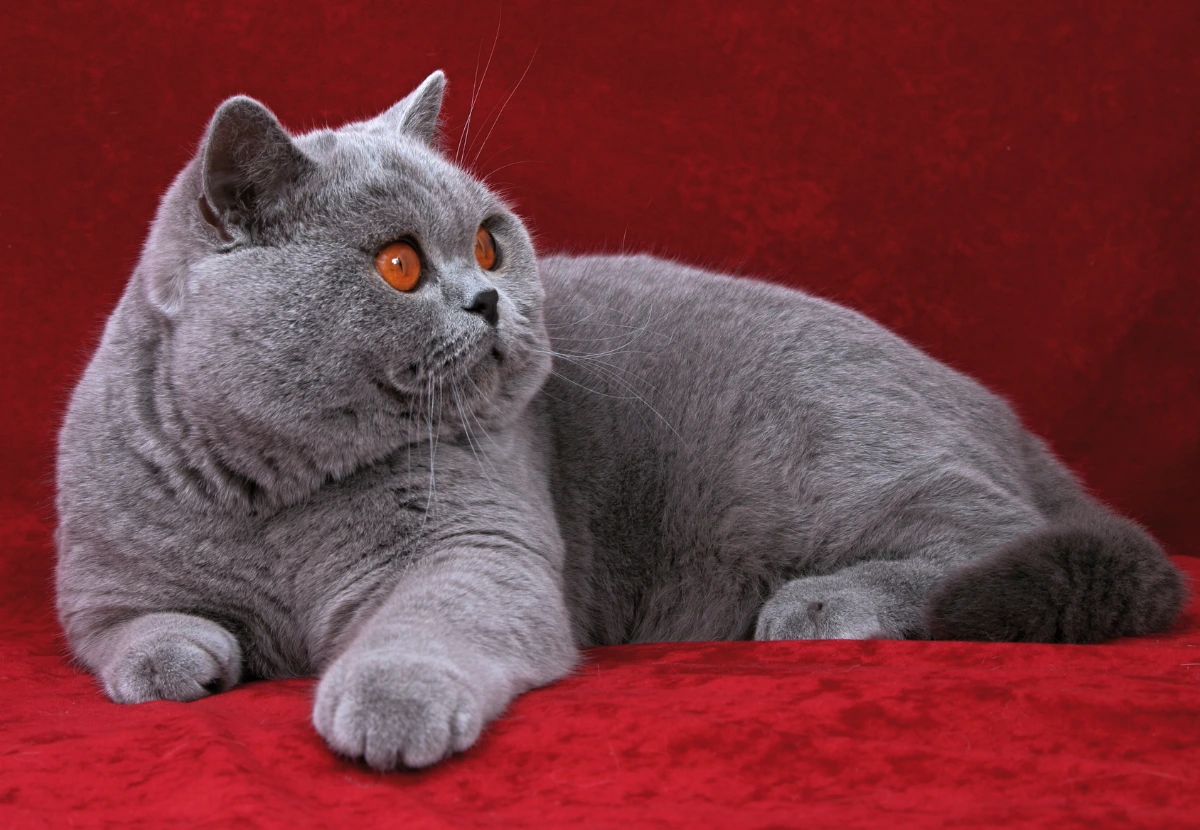
British Shorthair
Calm, patient and easy-going; generally affectionate in a reserved, undemanding way.
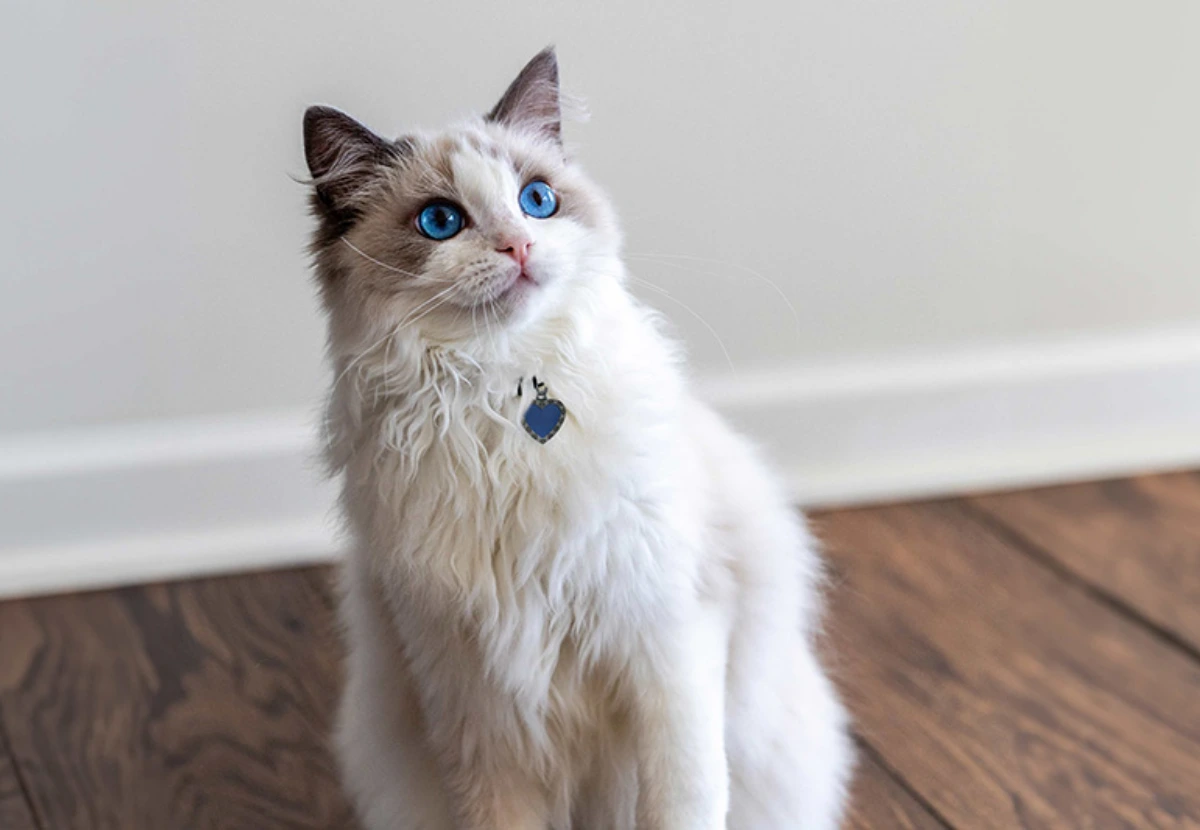
Ragdoll
Relaxed, affectionate and companionable; commonly suited to calm homes that offer regular attention.
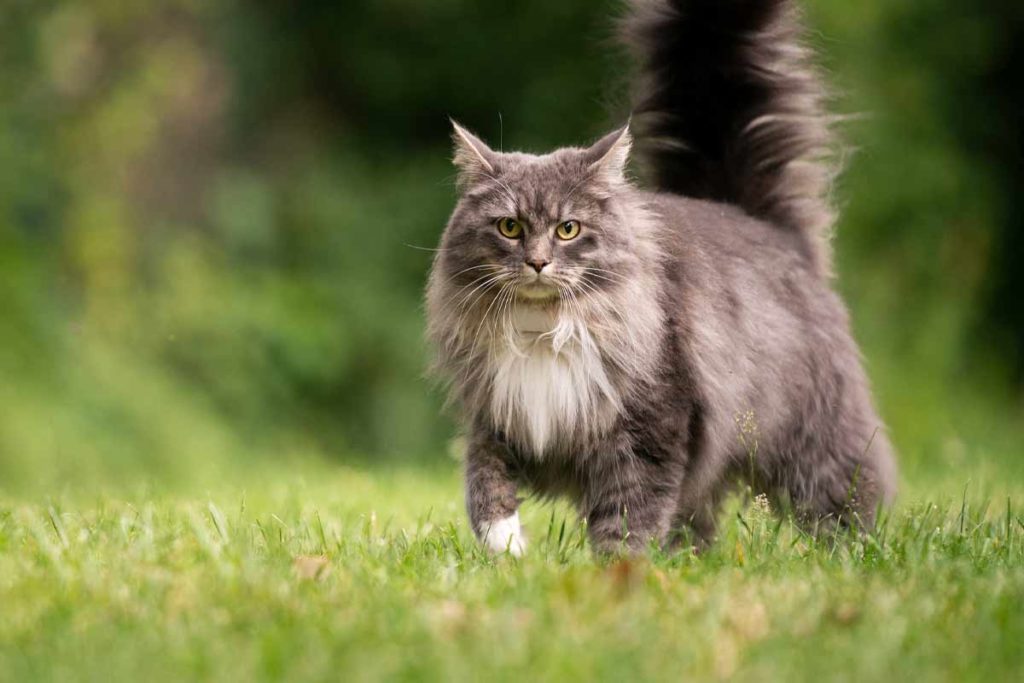
Maine Coon
Friendly, sweet-natured and playful; often sociable without demanding constant attention.
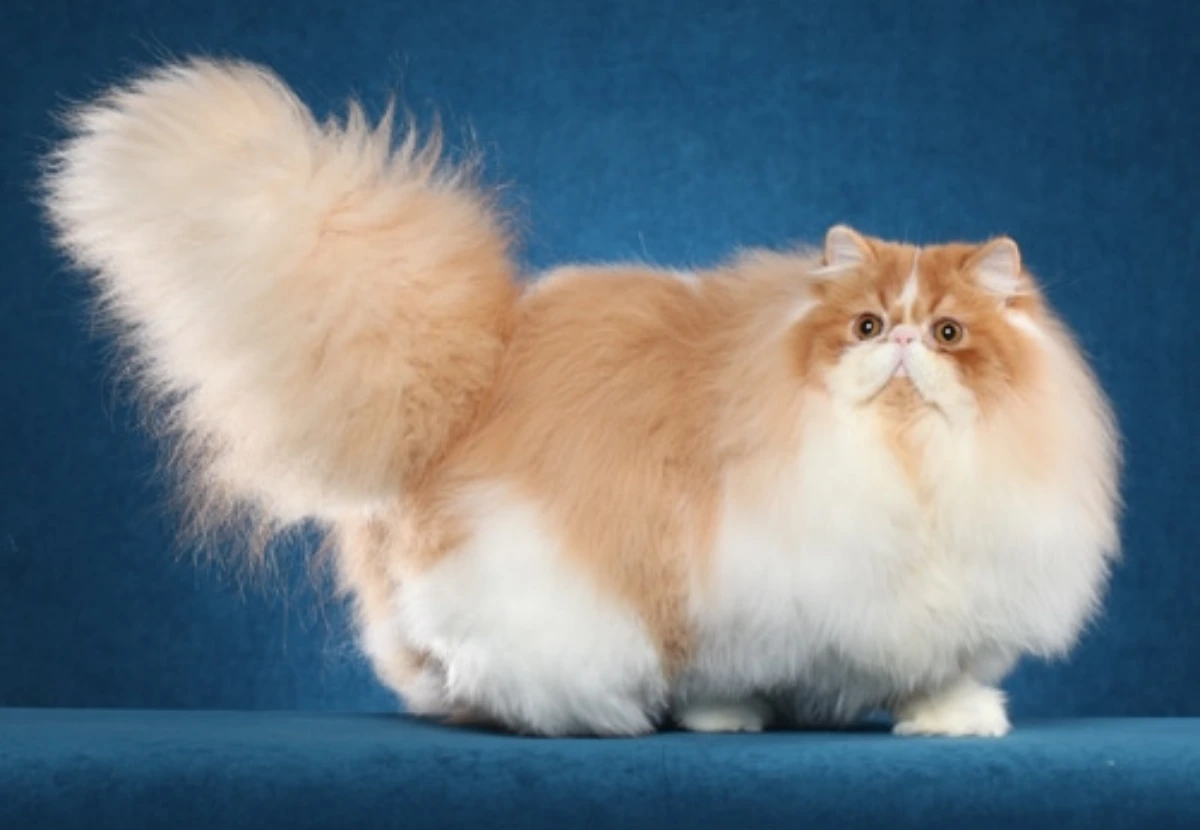
Persian
Often calm, affectionate and companionable; tends to suit homes able to provide consistent grooming and gentle attention.
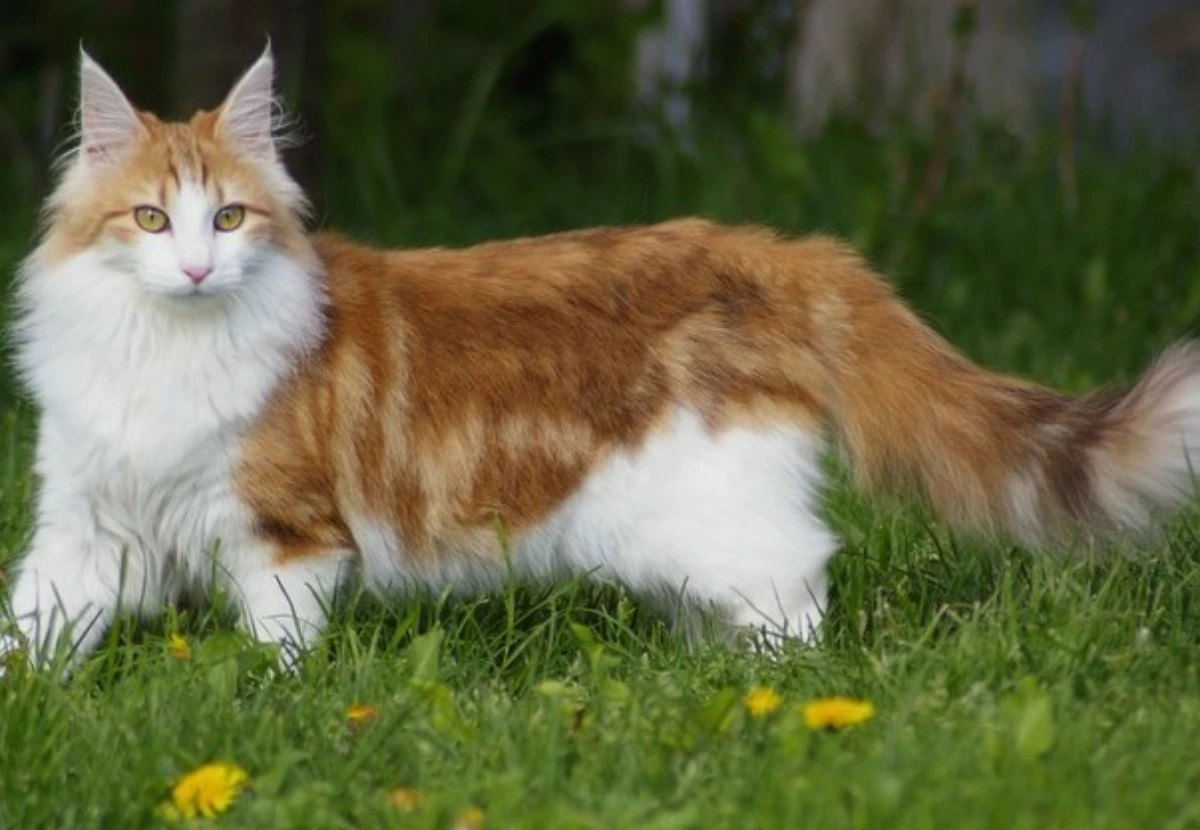
Norwegian Forest Cat
Confident, adaptable and playful; usually appreciates climbing space and gentle companionship.
Related stories
How To Potty Train A Cat
A calm, welfare-first guide to adopting your first cat — covering rescue choices, what to ask the shelter, and how to set up your home for the all-important first week.
How to Set Up the Perfect Cat-Friendly Home (Without Renovating)
A room-by-room guide to making your home genuinely cat-friendly using what you already have. Covers vertical space, hiding places, litter setup and the small details that matter.
Adopting Your First Cat: A Calm, Welfare-First Guide
A calm, welfare-first guide to adopting your first cat — covering rescue choices, what to ask the shelter, and how to set up your home for the all-important first week.
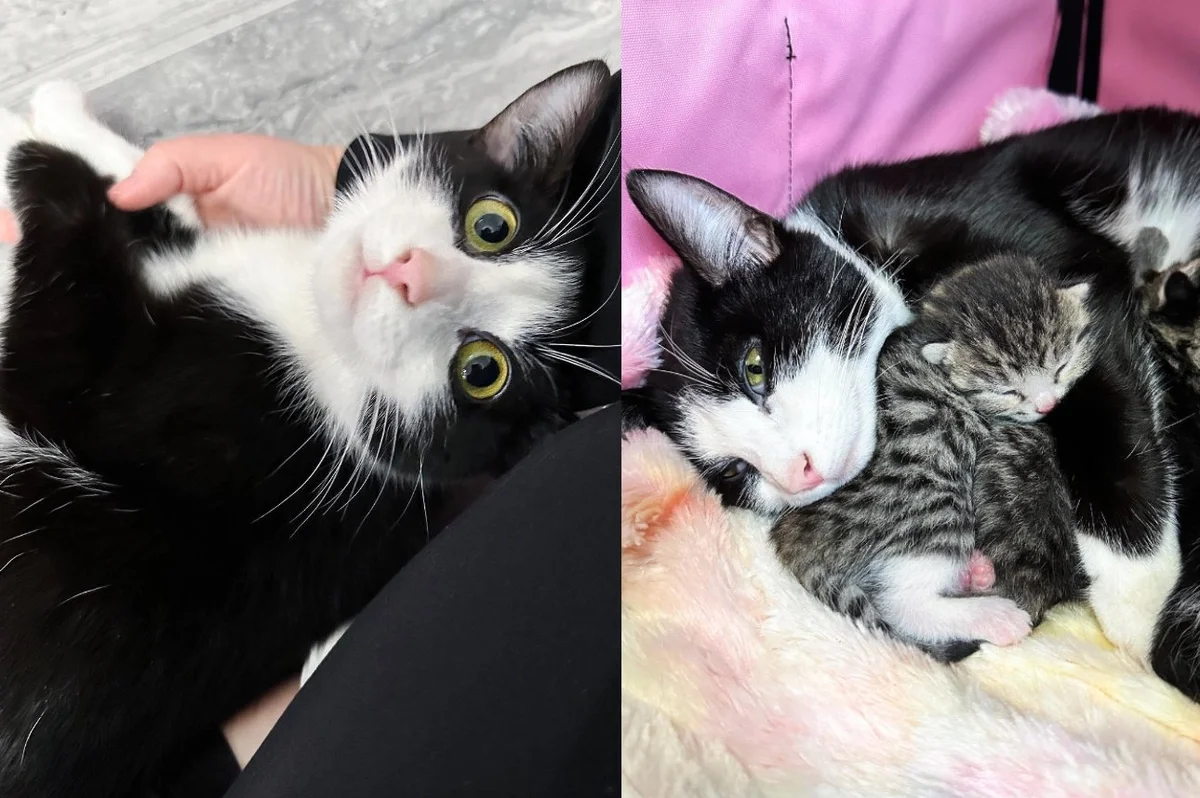
Shy Tuxedo Cat Finds a Safe Place to Raise Her Four Kittens and Begins to Trust Again
A timid tuxedo cat named Raea found the safe foster home she needed just before giving birth to four healthy kittens.